Georgia Sustainable
Aviation Fuel Coalition
Establishing Georgia as a leader in SAF innovation and production
OUR MISSION
Development Strategy
Establish Georgia as a leader in Sustainable Aviation Fuel (SAF)
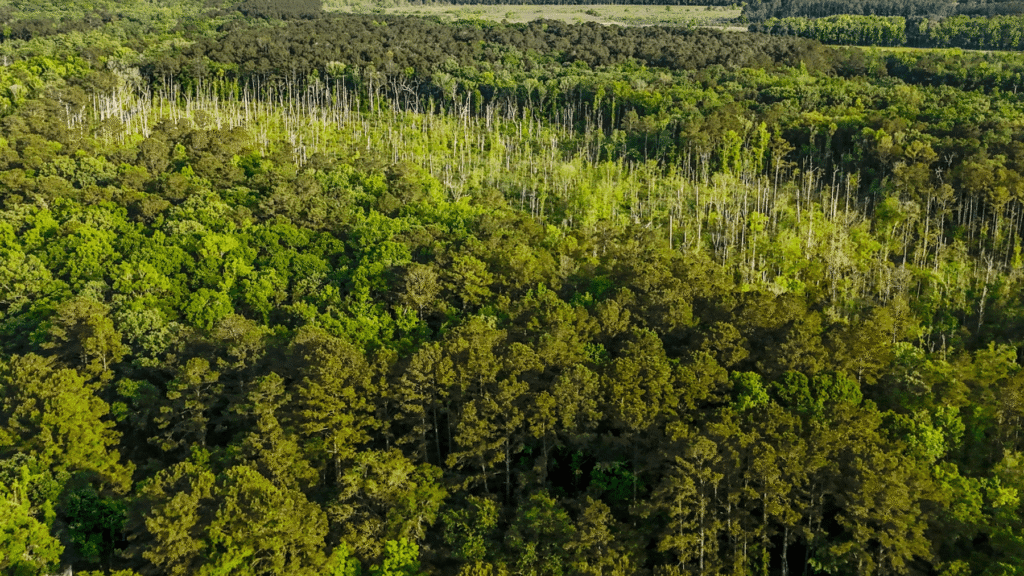
We aim to drive innovation and production through a statewide effort that builds on Georgia’s strengths in forestry, agriculture, research and logistics to support economic growth and strengthen domestic energy security.
- Build strong public-private partnerships
- Advance legislation that supports SAF production & market growth
- Secure funding to drive research, infrastructure & commercialization
- Align university research with current & future industry needs
As the effort progresses, partners will collaborate to develop build a business development plan positioning Georgia to lead the industry with statewide support and long-term economic impact.
What is Sustainable Aviation Fuel?
Sustainable Aviation Fuel is a key tool in decarbonizing flight.
SAF is a safe and certified alternative jet fuel that can reduce lifecycle carbon emissions of jet fuel by more than 80% compared to conventional jet fuel. It can be used in today’s aircraft engines and transported via existing pipeline infrastructure.
Lifecycle carbon reduction vs. conventional jet fuel
SAF can help support forestry, agriculture, and energy industries that are pivotal sectors for economic growth in the U.S.
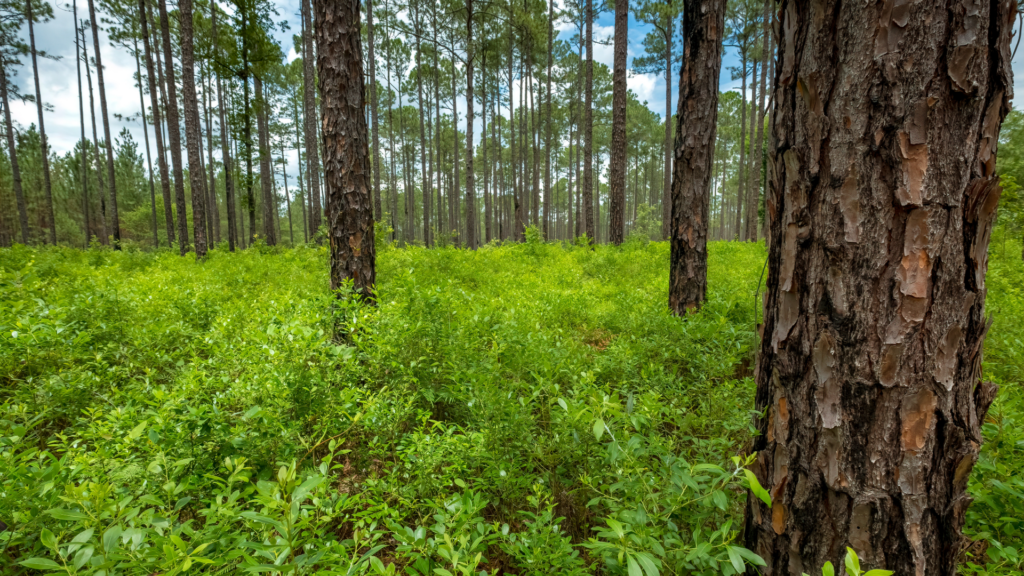
SAF is produced using renewable feedstocks including agricultural biomass, woody biomass, hydrogen, continuous living cover crops, and used cooking oil.
Why Sustainable Aviation Fuel?
SAF is critical to decarbonizing aviation.
Jet fuel accounts for 90% of the aviation industry’s carbon emissions. SAF is the most promising option known today to reduce the industry’s emissions.
As an emerging technology, SAF must overcome high startup costs and requires cross-industry collaboration to grow into a viable market.
There isn’t enough SAF to meet global demand for even a week, and the technology is not yet cost competitive.
Economic benefits of SAF:
- For farmers and forestry producers in particular, SAF represents a possibility of new markets and revenue streams and a potential for steady, long-term demand.
- This new market also presents job growth and innovation opportunities, particularly for rural communities.
- Combining the demand power of companies seeking to decarbonize with the supply potential of Georgia feedstocks, SAF is a unique opportunity for urban business and air hubs with rural communities to find mutual benefit.
Why Georgia?
Georgia is well-positioned to lead the country in SAF innovation.
Georgia is home to the world’s busiest airport and is the #1 forestry state in the nation, making it uniquely positioned to generate significant economic value across the state by linking these important industries.
SAF has the potential to contribute directly to rural communities in Georgia that rely on declining demand for forestry and agriculture production, providing a new, high-demand market for these industries.
As global markets continue pursuing ambitious aviation sustainability targets, producing and selling SAF may become more and more critical to doing international business and a more resilient domestic energy supply.
SAF is an avenue to support America’s foresters and farmers while helping to ensure energy independence.
Georgia’s powerful combination of agriculture and forestry producers, research capacity, logistics infrastructure, and global corporate presence positions the state to help close the gap between supply and demand.
Latest News
-
Delta expands SAF access through multi-airport collaboration with Shell Aviation
Delta plans to scale its use of sustainable aviation fuel (SAF) across multiple U.S. hubs and…
Read full story: Delta expands SAF access through multi-airport collaboration with Shell Aviation -
Clearing the Skies: Gulfstream Demonstrates Emissions Reductions with SAF at 50,000 Feet
Industry-first flight test campaign successfully advances understanding of non-CO2 emissions using 100% sustainable aviation fuel
Read full story: Clearing the Skies: Gulfstream Demonstrates Emissions Reductions with SAF at 50,000 Feet -
E15, jet fuel and export demand brighten U.S. biofuel outlook, Vaden says
Demand for cleaner jet fuel in Japan and higher ethanol blends in the U.S. will be…
Read full story: E15, jet fuel and export demand brighten U.S. biofuel outlook, Vaden says